
Warning signs a dental implant may be failing
By Kai Ramos · Updated 2026-06-29
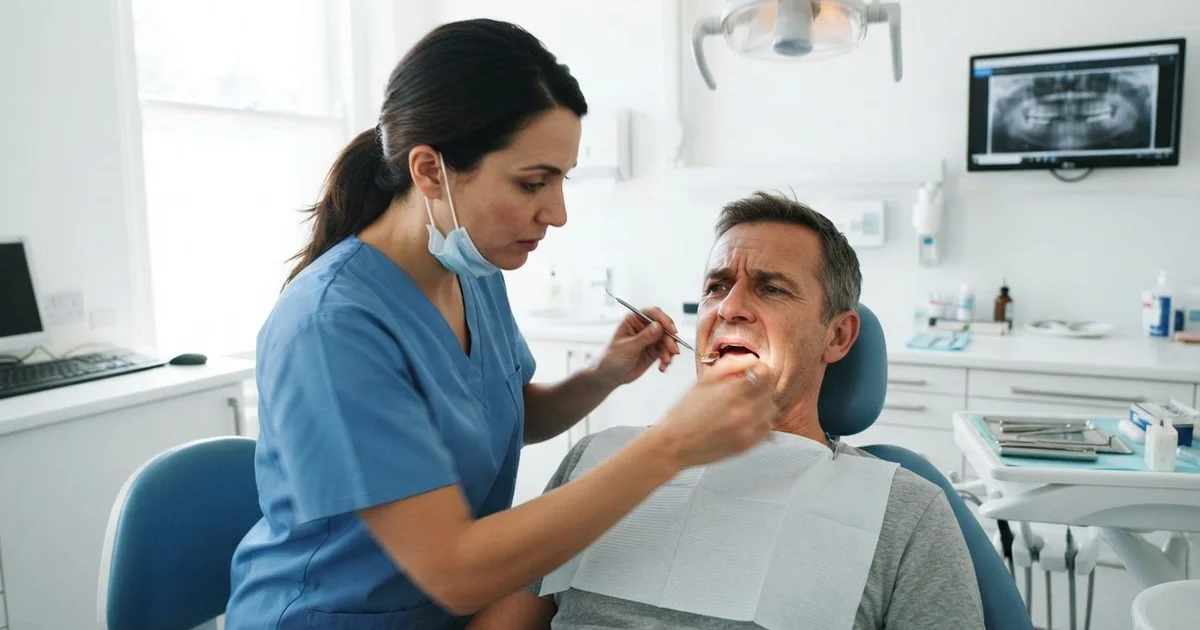
Most dental implants last for many years without issue, but knowing what a real problem looks like, versus normal healing sensations, matters if something feels off. Catching an issue early is usually the difference between a straightforward fix and a much bigger one. Here’s what actually indicates trouble, and how urgent each sign tends to be. Local specialists who treat implant-related gum and bone issues are listed in our periodontal implant category.
Signs to take seriously
| Sign | What it may indicate | Urgency |
|---|---|---|
| Persistent pain weeks or months after placement | Infection, poor integration, or nerve irritation | See a provider soon |
| The implant feels loose or moves slightly | The implant may be failing to stay anchored in bone | Urgent, see a provider promptly |
| Gums around the implant are red, swollen, or bleed easily | Inflammation of the tissue around the implant, which can progress if untreated | See a provider soon |
| A bad taste or persistent odor near the implant site | Possible infection | See a provider soon |
| Difficulty chewing on that side, or a changed bite | Could indicate the crown has shifted or the implant has moved | See a provider soon |
| Mild soreness for a few days right after placement | Normal healing | Not urgent, monitor |
The key distinction is trajectory. Mild discomfort that’s improving day by day is typical healing. Anything getting worse, or showing up well after the initial healing period, deserves attention rather than a wait-and-see approach.
Timing matters too. A sign that appears within the first week or two after placement often points to something different than the same sign showing up years later, after the implant has been fine for a long stretch. Mentioning when a symptom started, not just what it is, helps a provider narrow down the likely cause faster.
Why gum health around the implant matters so much
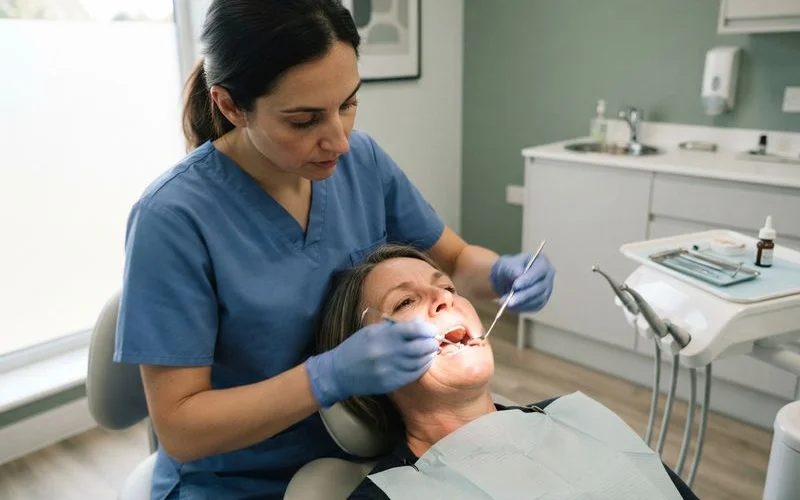
An implant depends on the surrounding gum and bone staying healthy, the same way a natural tooth does. Inflammation in that tissue, if left untreated, can spread and eventually affect the bone anchoring the implant itself. This is exactly why periodontists, who specialize in gum and bone tissue, are often the ones treating implant complications rather than general dentists alone. Daily brushing and flossing around the implant, plus regular cleanings, are the main ways this is prevented in the first place.
What typically happens at a follow-up visit
A provider examining a concerning implant will usually check for looseness, take an X-ray to assess the bone around it, and look closely at the surrounding gum tissue. Depending on what they find, treatment can range from a deep cleaning and adjusted home care to more involved treatment if bone loss has already started. Earlier visits generally mean simpler treatment.
What tends to increase the risk
Smoking, uncontrolled diabetes, poor oral hygiene, and skipping recommended follow-up cleanings are the factors most consistently linked to implant complications. None of these guarantee a problem, but they’re worth managing proactively if you have an implant or are planning to get one. Surgical safety and recovery expectations are covered separately in our guide on dental implant surgery safety and recovery, which walks through what a normal recovery feels like versus a real warning sign.
A history of gum disease around your natural teeth before getting an implant is also worth mentioning to your provider, since it can make you more prone to similar implant failure issues around the site if it isn’t monitored closely. Routine cleanings on the schedule your provider recommends, rather than stretching them out, are one of the simplest ways to catch early changes before they become a bigger problem.
This is general information, not a diagnosis. If you notice any of the signs above, especially looseness or worsening pain, contact your provider rather than waiting to see if it resolves on its own. An early exam that turns out to be nothing is a far better outcome than a real problem left unaddressed for months.
You can find local providers who handle implant follow-up care through the home page, and our methodology page explains how we score providers on patient sentiment over time.
FAQ
- How common is implant failure?
- Uncommon overall, though the exact rate depends on the individual case, bone quality, and how well aftercare instructions were followed. It's not the expected outcome, but it isn't zero either.
- Is a little soreness months after placement normal?
- Mild, brief discomfort can happen, especially after a hard bite or during a cleaning. Persistent or worsening pain weeks or months after the initial healing period is not typical and is worth a visit.
- Can a failing implant be saved?
- Sometimes, especially if caught early. Treatment for gum inflammation around an implant can resolve the issue before it progresses. Once significant bone loss has occurred, options narrow.
- Who should I see if I think something's wrong?
- Start with whoever placed the implant. If that's not possible, a periodontist is a reasonable next step, since they specialize in the gum and bone tissue implants depend on.